Supply Chain
Understanding Supply Chain Planning
A practical introduction to aligning suppliers, inventory and transportation with customer demand.
Prairie Gateway Logistics Ltd. ·
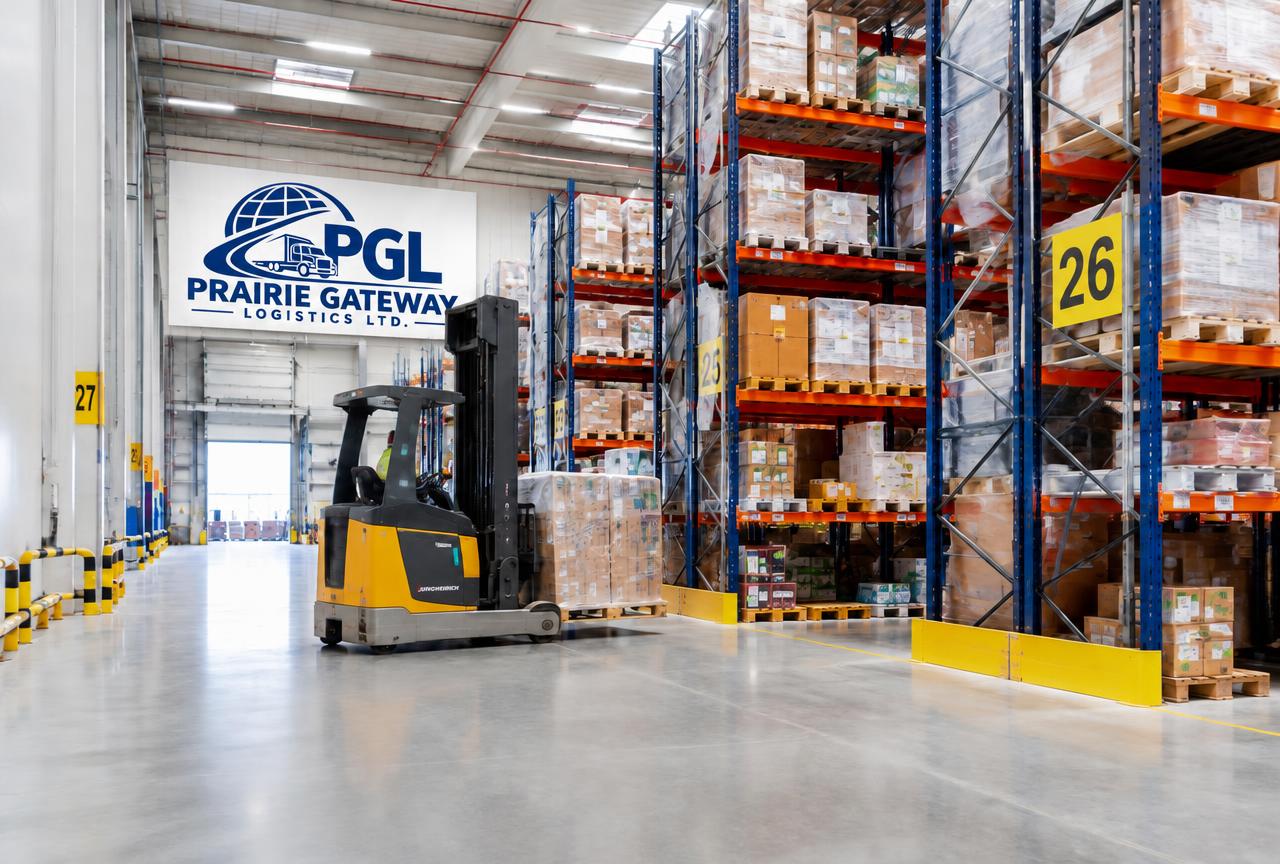
See the connections between decisions Supply chain planning brings together demand, purchasing, inventory and the movement of goods. A change in one area can affect several others: a supplier delay may alter a production schedule, while an unexpected customer order can create a new transportation requirement. Planning makes these dependencies visible.
Begin by mapping where goods come from, where they are stored or used and where they must go next. Identify the people who own each decision. A straightforward view of the process is often more useful than a complicated plan that teams cannot keep current.
Align demand and lead times Demand forecasts are estimates, not promises. Review them alongside supplier lead times, stock availability and delivery requirements. Distinguish normal replenishment from time-sensitive orders so teams can discuss priorities before an urgent situation develops.
Lead time includes more than travel. Goods may need to be prepared, packed, booked, loaded and received. Confirm these steps with the parties responsible instead of relying on a single assumed transit figure.
Make inventory decisions visible Inventory choices influence transportation needs. Smaller, more frequent shipments create different coordination work from larger, less frequent replenishment. Storage constraints and receiving capacity should be part of the conversation as well as the desired delivery date.
Keep warehouse and transportation contacts informed of changes in quantities or schedules. Accurate inventory and shipment information supports practical decisions; incomplete data makes it harder to compare arrangements or identify the source of a problem.
Plan for disruption without claiming certainty Consider what the business would do if a supplier shipment were late, a receiving location unavailable or demand higher than expected. Identify who can approve changes and how priorities will be communicated. Contingency planning does not remove uncertainty, but it provides a clearer response path.
Review the plan regularly and update it when suppliers, products or customer requirements change. Prairie Gateway Logistics supports supply chain and logistics conversations with Canadian businesses. Contact the team to discuss how transportation coordination can fit your wider operating plan.